
Grains Projects
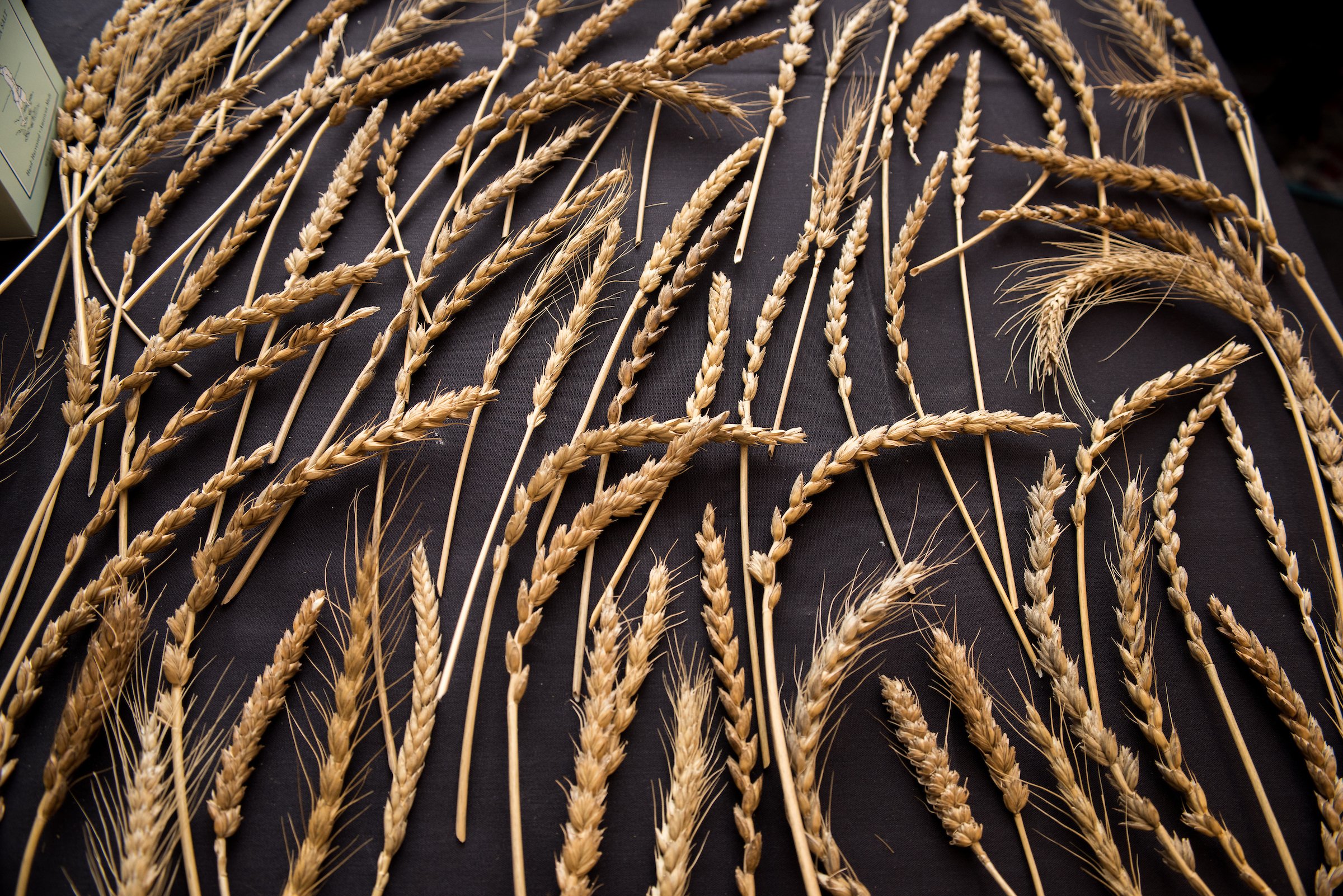
The Culinary Breeding Network works with university researchers, farmers, millers, bakers, and food businesses to support grain projects that prioritize flavor, organic performance, and real-world use. Our grains work focuses on expanding crop diversity, strengthening regional grain economies, and reconnecting breeding with the needs of cooks and eaters.
Developing Multi-Use Naked Barley for Organic Systems
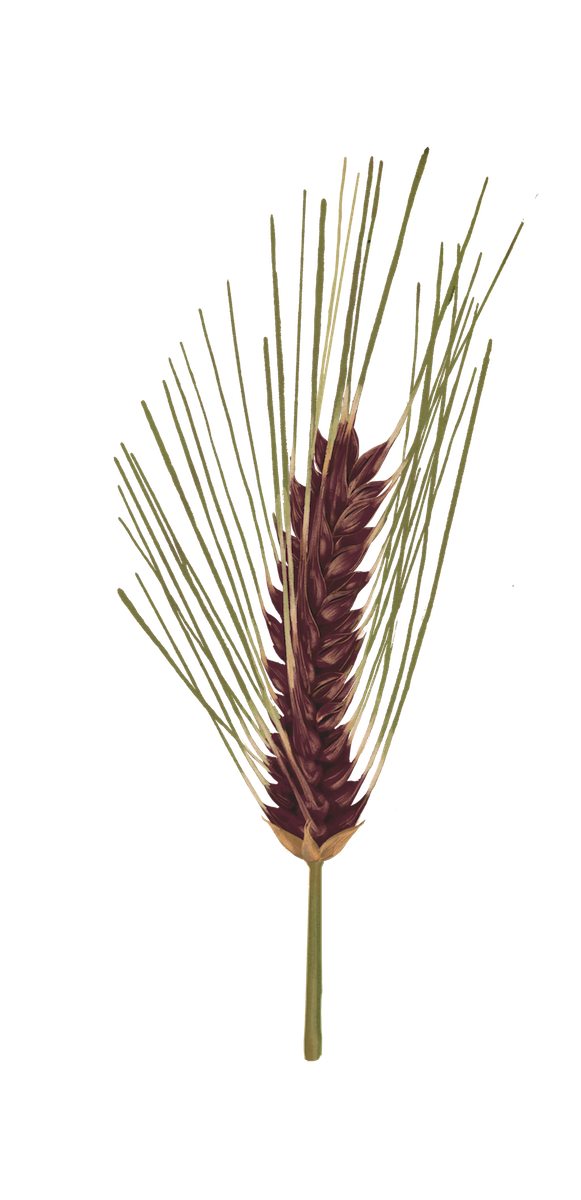
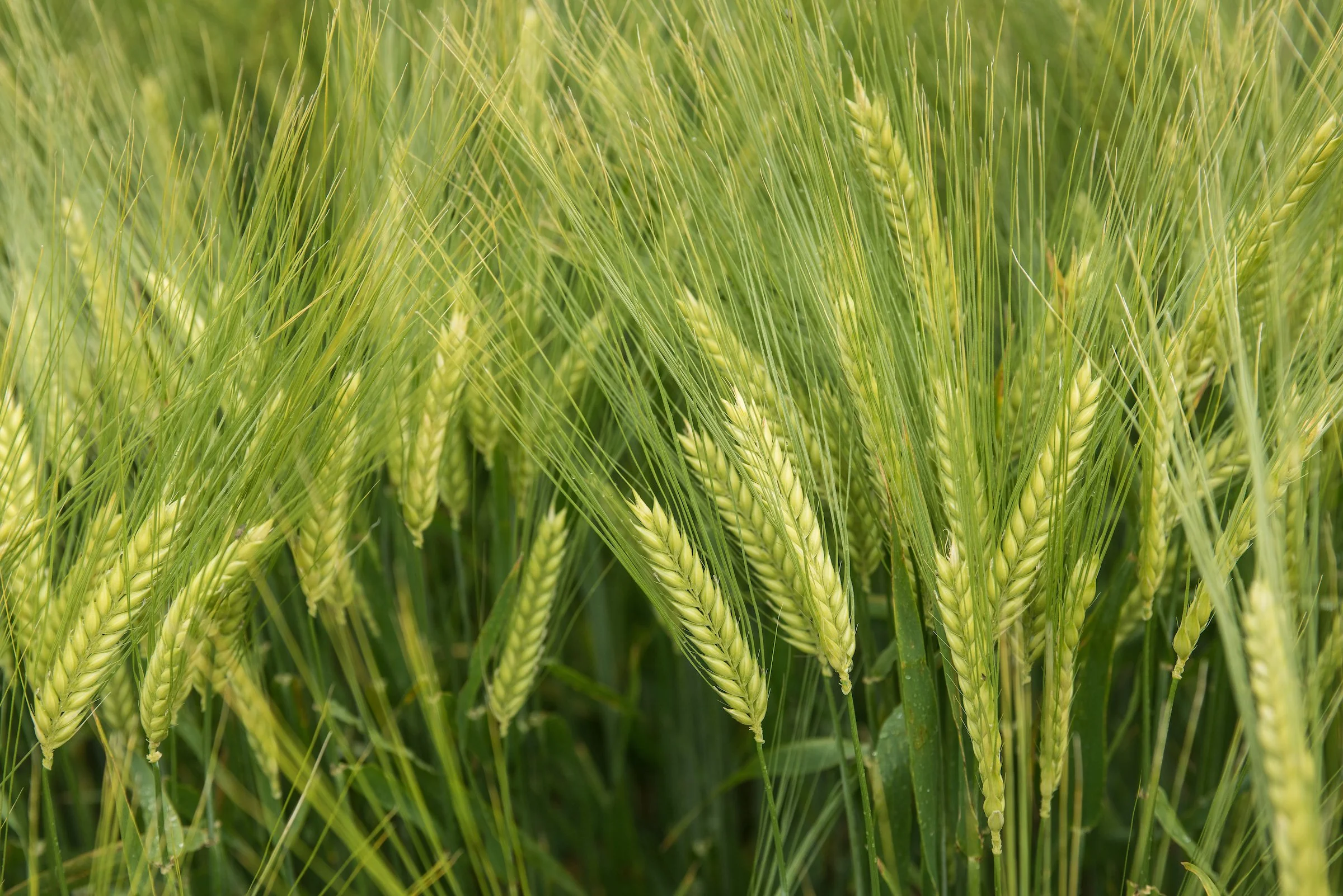
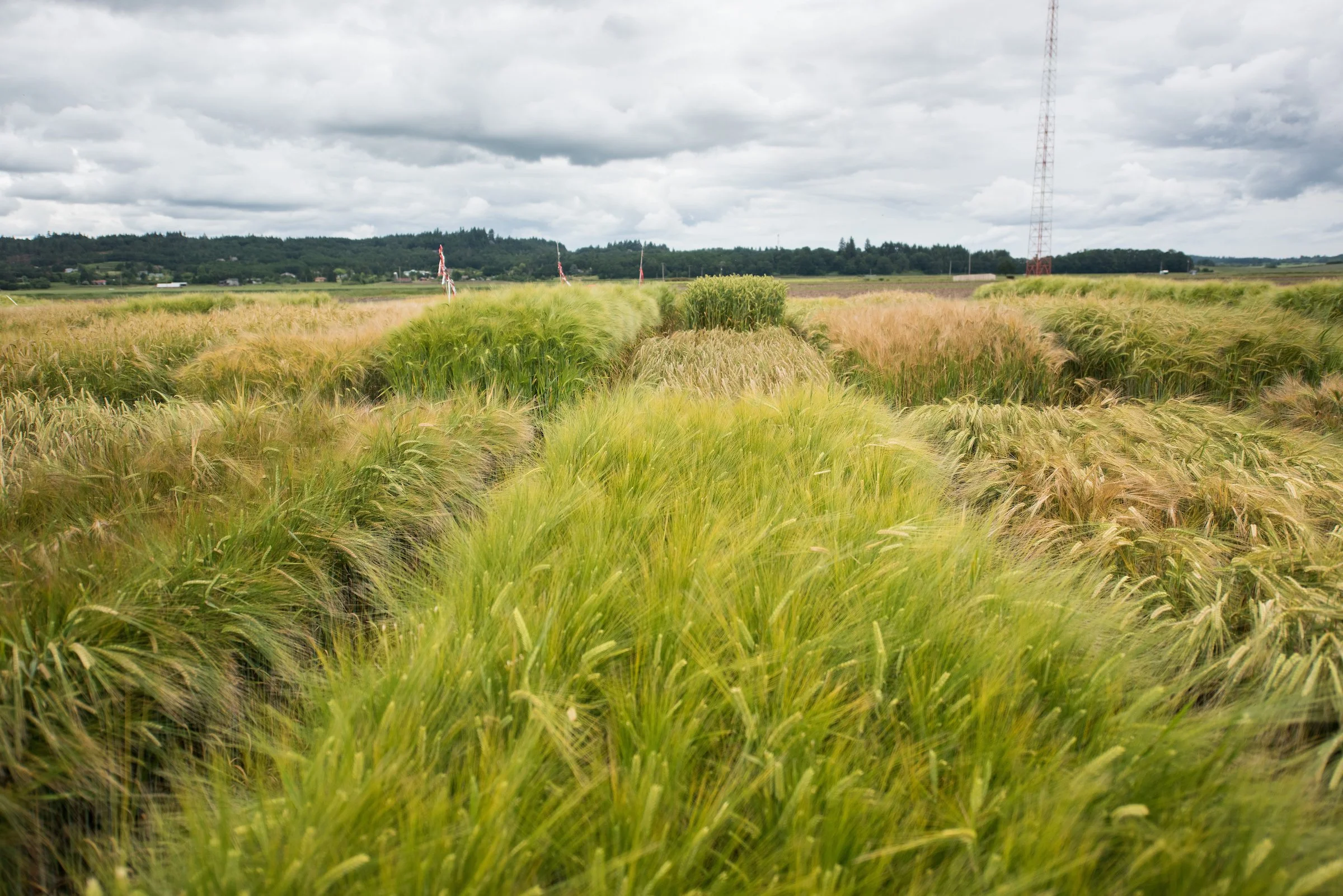
Led by Oregon State University under the direction of Brigid Meints, this USDA-funded project is focused on breeding new hull-less (naked) barley varieties that are economically viable for organic farmers and flexible across food, feed, and malting markets. Because naked barley sheds its hull at harvest, it is easier to process and better suited for direct human consumption.
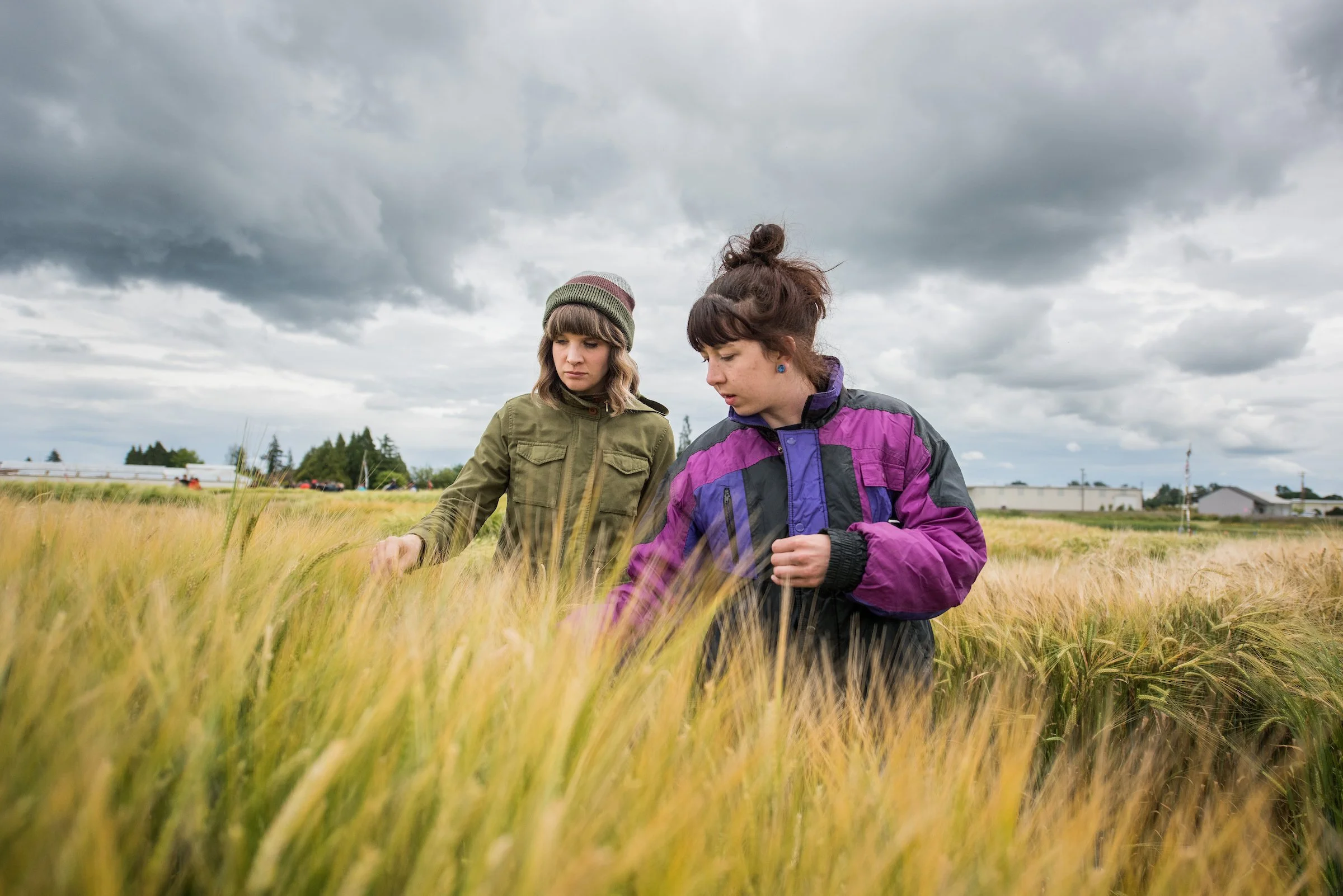
Project goals include improving yield and agronomic performance in organic systems, increasing resistance to weeds and disease, and enhancing quality traits such as beta-glucan content and culinary functionality. The project aims to reintroduce barley as a versatile, food-forward grain while offering organic farmers a resilient alternative crop.

Value-Added Grains for Local and Regional Food Systems
Led by Cornell University under the direction of Mark Sorrells, this USDA-funded project works to strengthen local and regional organic grain economies by expanding production, processing, and markets for diverse, high-value grains.
The project focuses on grains such as emmer, spelt, heritage wheats, and hulless oats and barley—crops valued for their flavor, nutrition, and adaptability. By supporting breeding, on-farm research, small-scale processing, and supply-chain development, the project helps organic growers diversify beyond commodity wheat while increasing “grain literacy” among bakers, chefs, and consumers.
Culinary Breeding Network’s Role
Across Both Projects
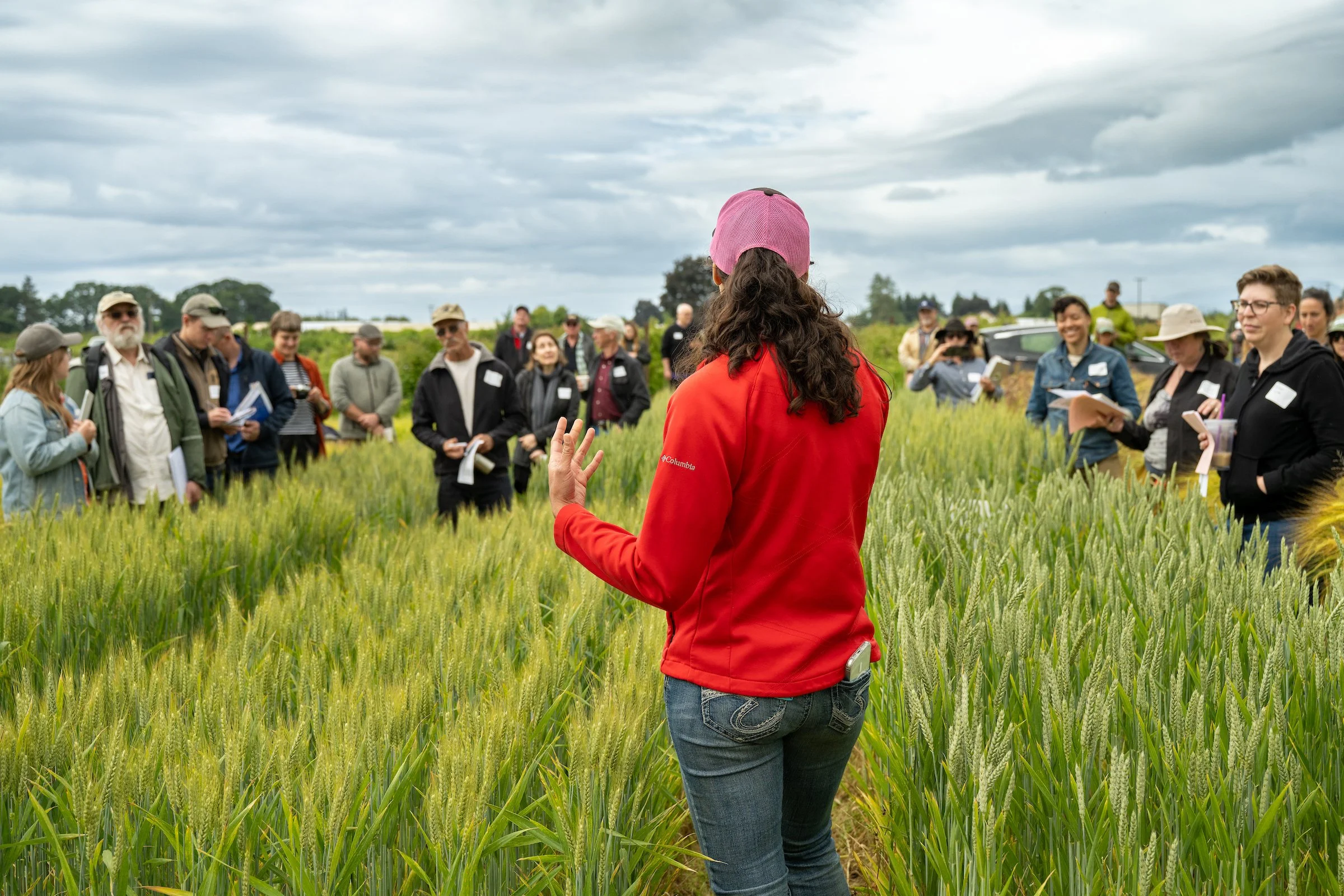
The Culinary Breeding Network supports both projects by bringing a culinary and market-facing lens to grain research. Through tastings, events, outreach, and relationship-building, CBN connects breeders and farmers with chefs, bakers, millers, buyers, and eaters, ensuring that flavor, usability, and cultural relevance are part of the breeding conversation.