MEET
LANE
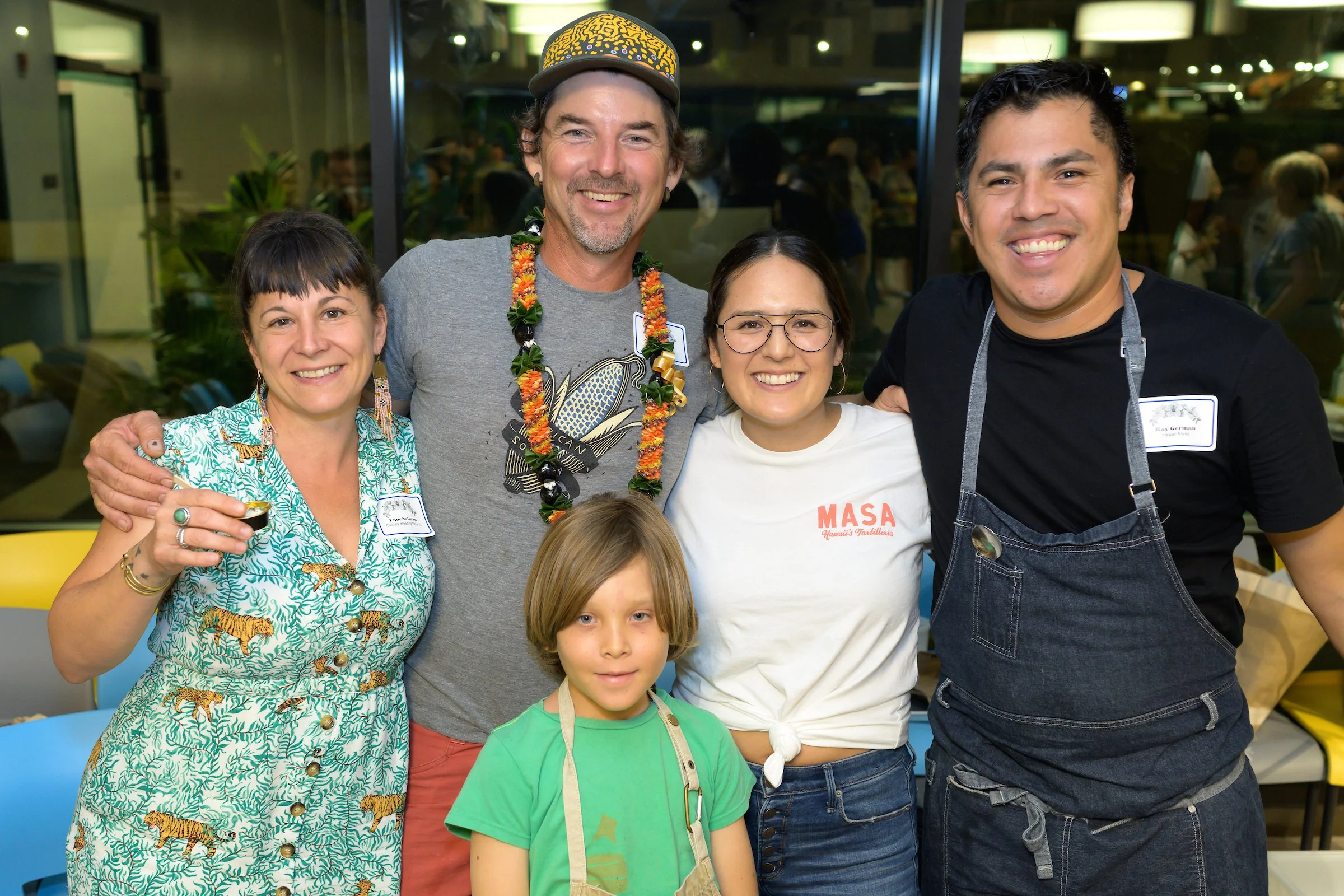
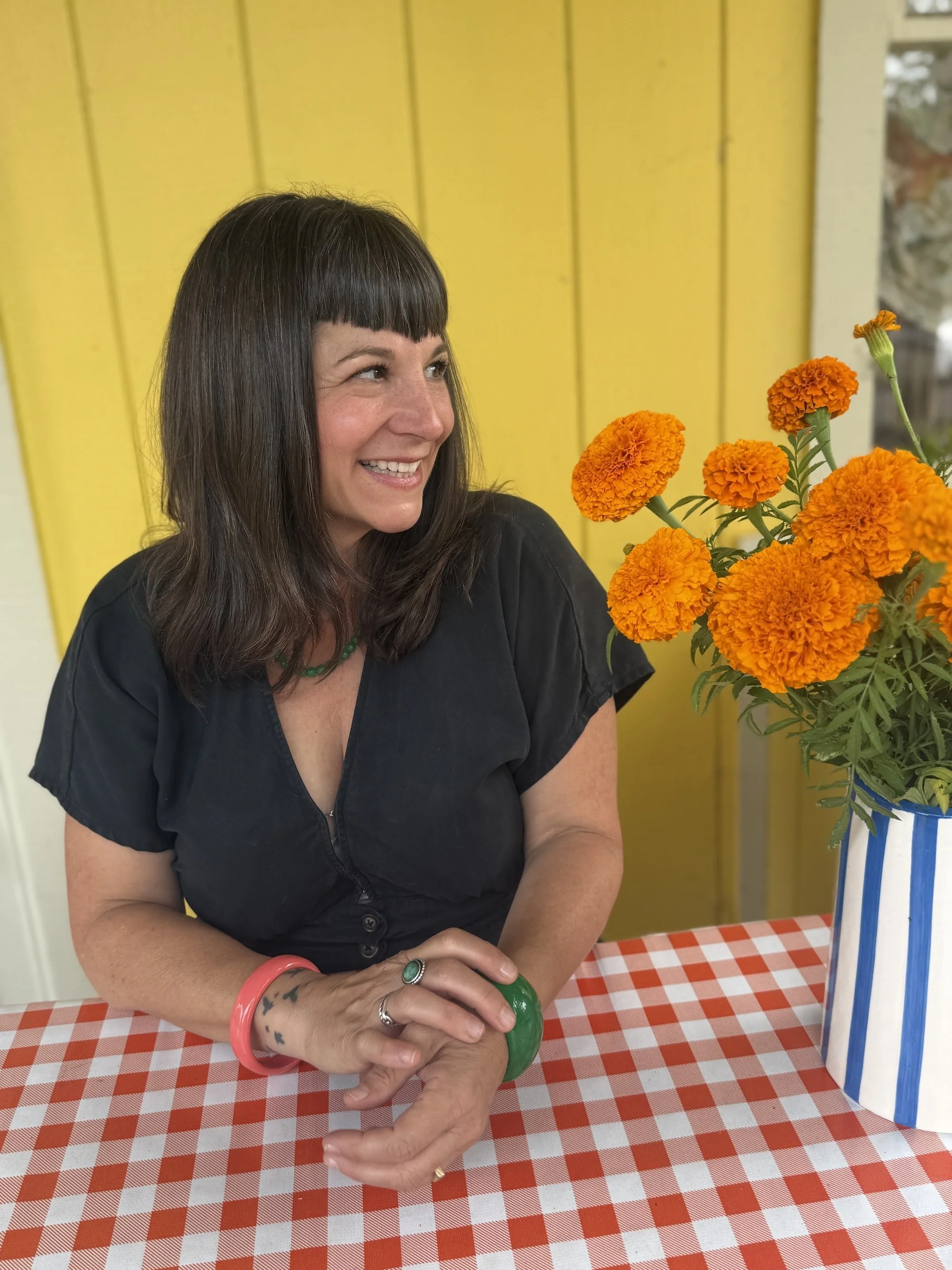
Lane Selman, Founding Director
Lane Selman is a Professor of Practice at Oregon State University and a nationally recognized leader working at the intersection of agriculture, flavor, and community. Raised in Florida, her childhood was shaped by time spent working on her extended Sicilian family’s citrus farm and cooking daily with her nonna—experiences that deeply rooted her connection to land, food, and culture.
In 2011, Lane founded the Culinary Breeding Network, a community-driven initiative that connects plant breeders, farmers, chefs, and eaters to develop and promote diverse, organic, and flavorful varieties of vegetables, grains, pulses, and fruits. Through collaborative breeding, storytelling, and celebration, her work helps elevate biodiversity, strengthen regional food systems, and bring people together around food.
Lane’s work has been featured in The New York Times, Food & Wine, The Wall Street Journal, Civil Eats, EatingWell, and Saveur. She serves as a Food & Culture Board Member of the Anna Tasca Lanza Foundation. Lane lives in Portland, Oregon.
Grassroot Beginnings and Gratitude
A message from Lane Selman, CBN Founding Director
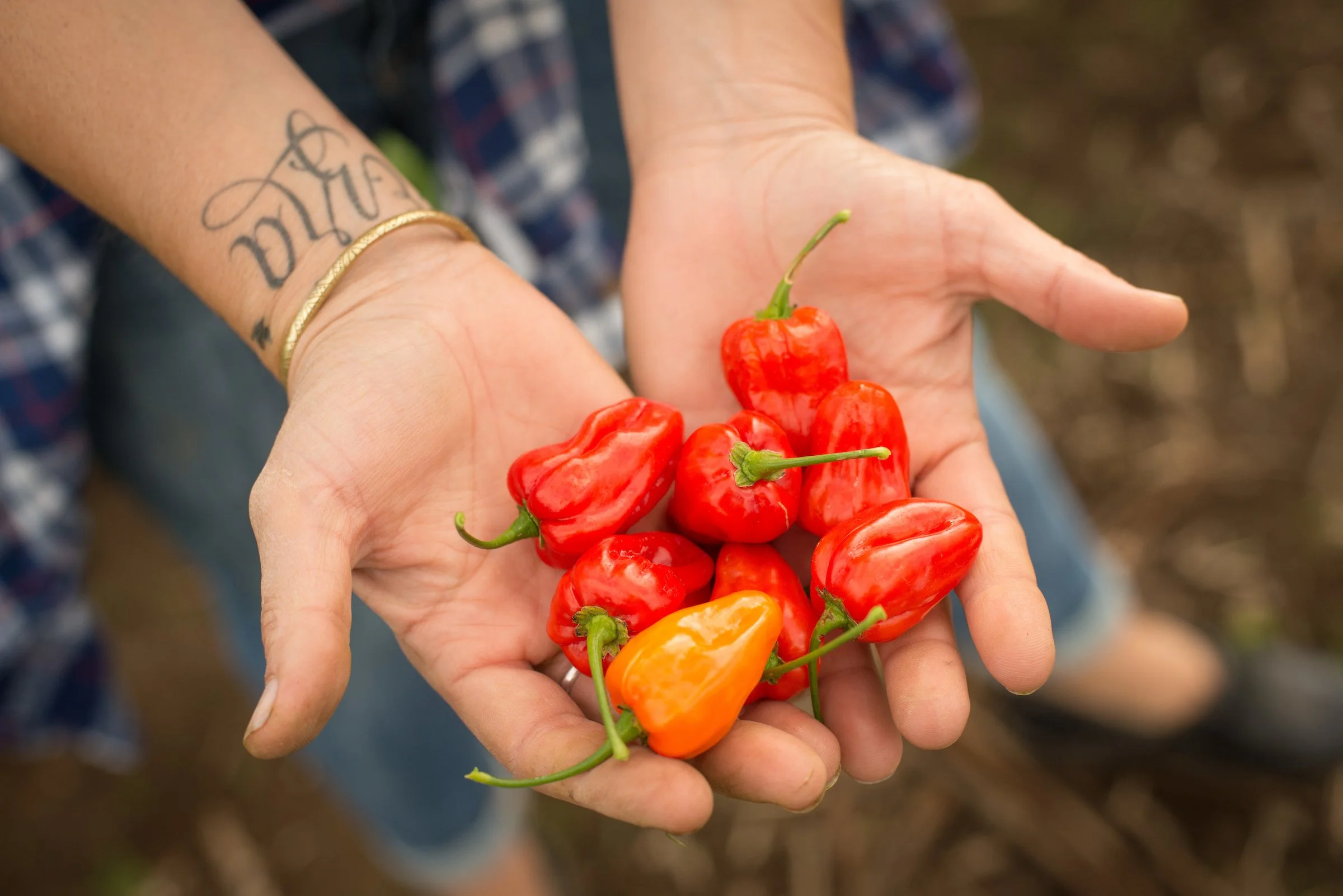
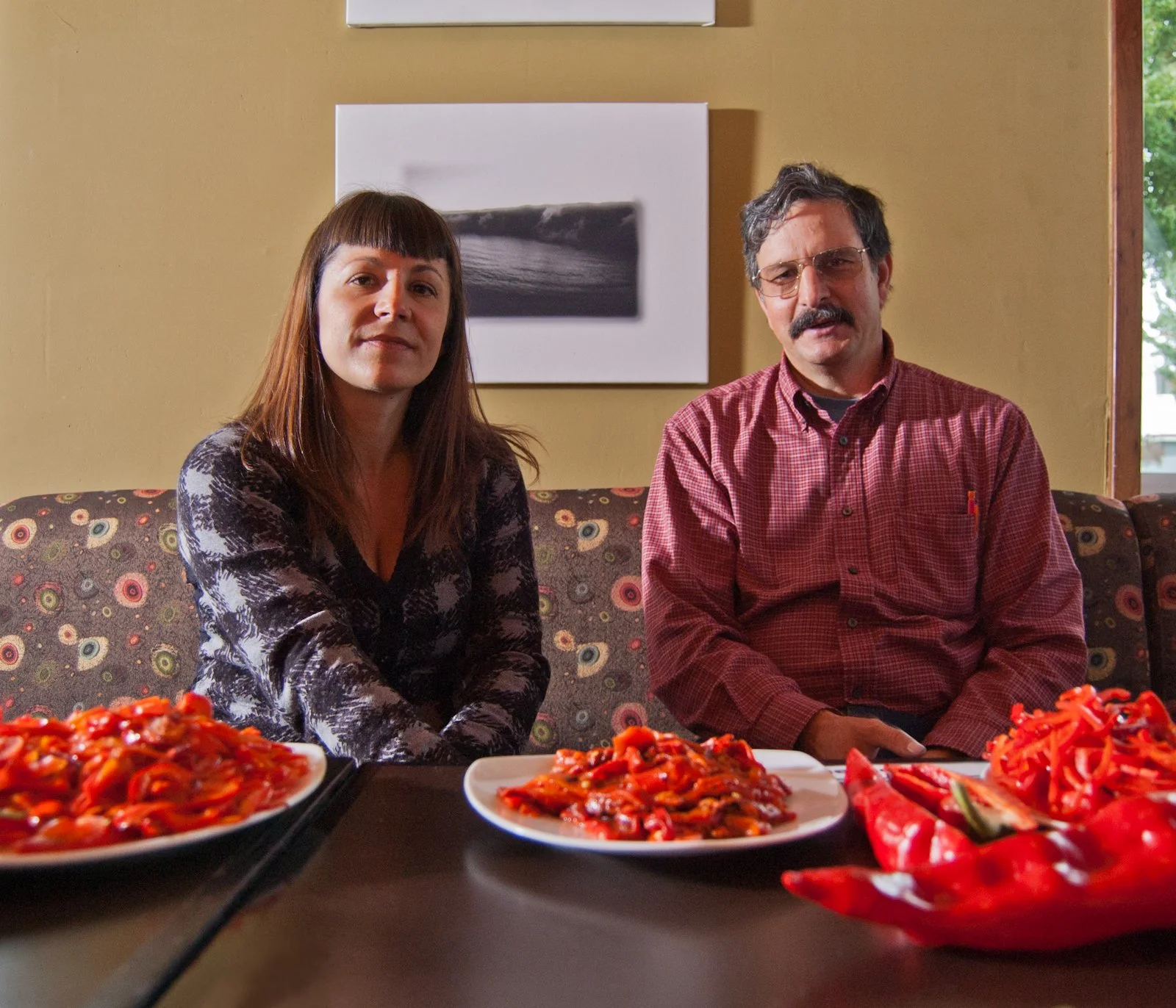
In 2011, I started the Culinary Breeding Network after inviting 25 chefs to take part in a tasting and selection event for Oregon State University breeder Jim Myers’ mild habanero pepper breeding project. Jim had a clear idea of the horticultural traits he wanted (vigor, earliness, plant architecture) but he needed expert input on phenotypic traits like shape, size, color, and flavor. This culinary council ultimately guided the creation of two new commercial pepper varieties: ‘Notta Hotta’ and ‘Mild Thing’.
In January 2014, I was contacted by a journalist wanting to write about the Culinary Breeding Network. With his visit scheduled for September and the upcoming growing season on the horizon, I faced a challenge: how to captivate him without taking him to visit any research variety trials, which were all on hold due to Farm Bill funding delays. I wanted to bring the essence of plant breeding straight to him. I envisioned an immersive, hands-on experience that would highlight the important decisions breeders make that affect how our food both grows and tastes. I wanted to create an event that was visually striking, interactive, and genuinely engaging.
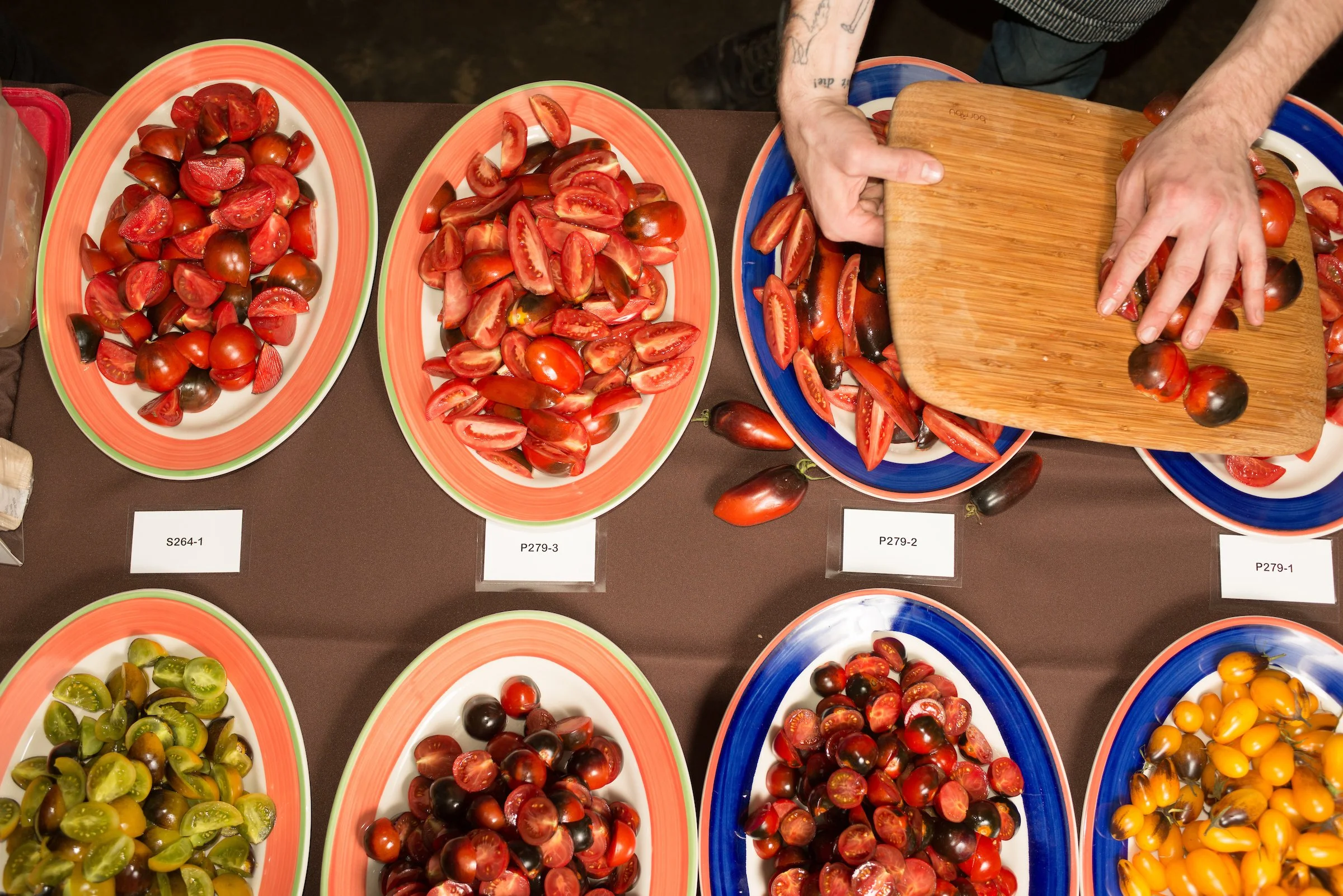
As fate would have it, Elanor O’Brien of Persephone Farm stepped in with a generous donation from the Organically Grown Company. This support was a game-changer, allowing me to organize the inaugural Variety Showcase in September 2014 with the help of chef Chris DiMinno who offered the Chris King Precision Components manufacturing facility cafeteria in Northwest Portland as a venue. With these resources, I set out on creating a food event that was both geeky & exciting where breeders paired with chefs to ignite interest and curiosity about organic breeding.
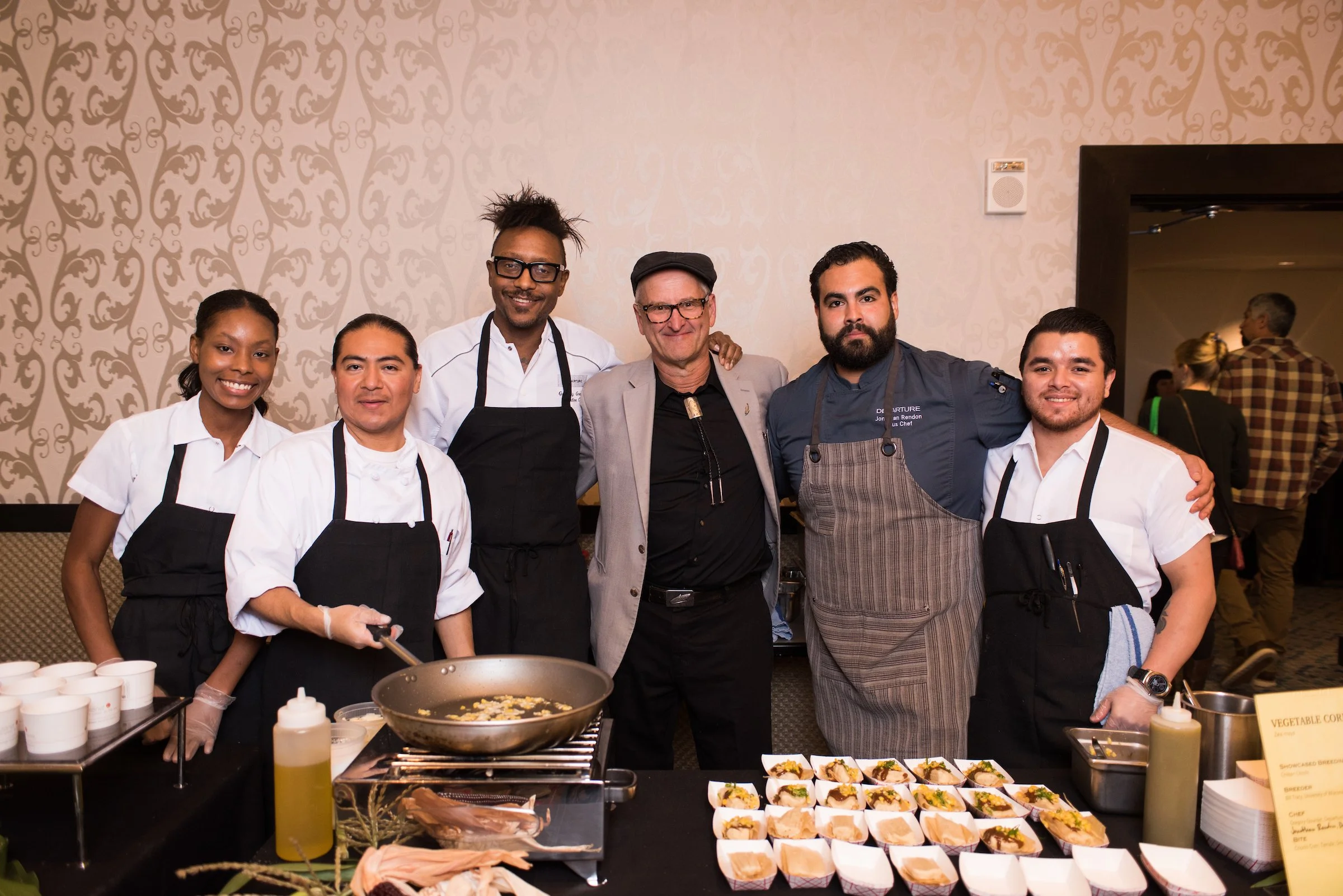
The debut event featured 12 stations, each spotlighting organic breeding and seed work by various university and independent breeders. Attendees explored and tasted a range of commercial varieties and breeding lines while chefs shared delicious bites they had prepared. It was an extraordinary celebration of agricultural biodiversity and a rare peek into the organic seed world, largely unknown to the public.
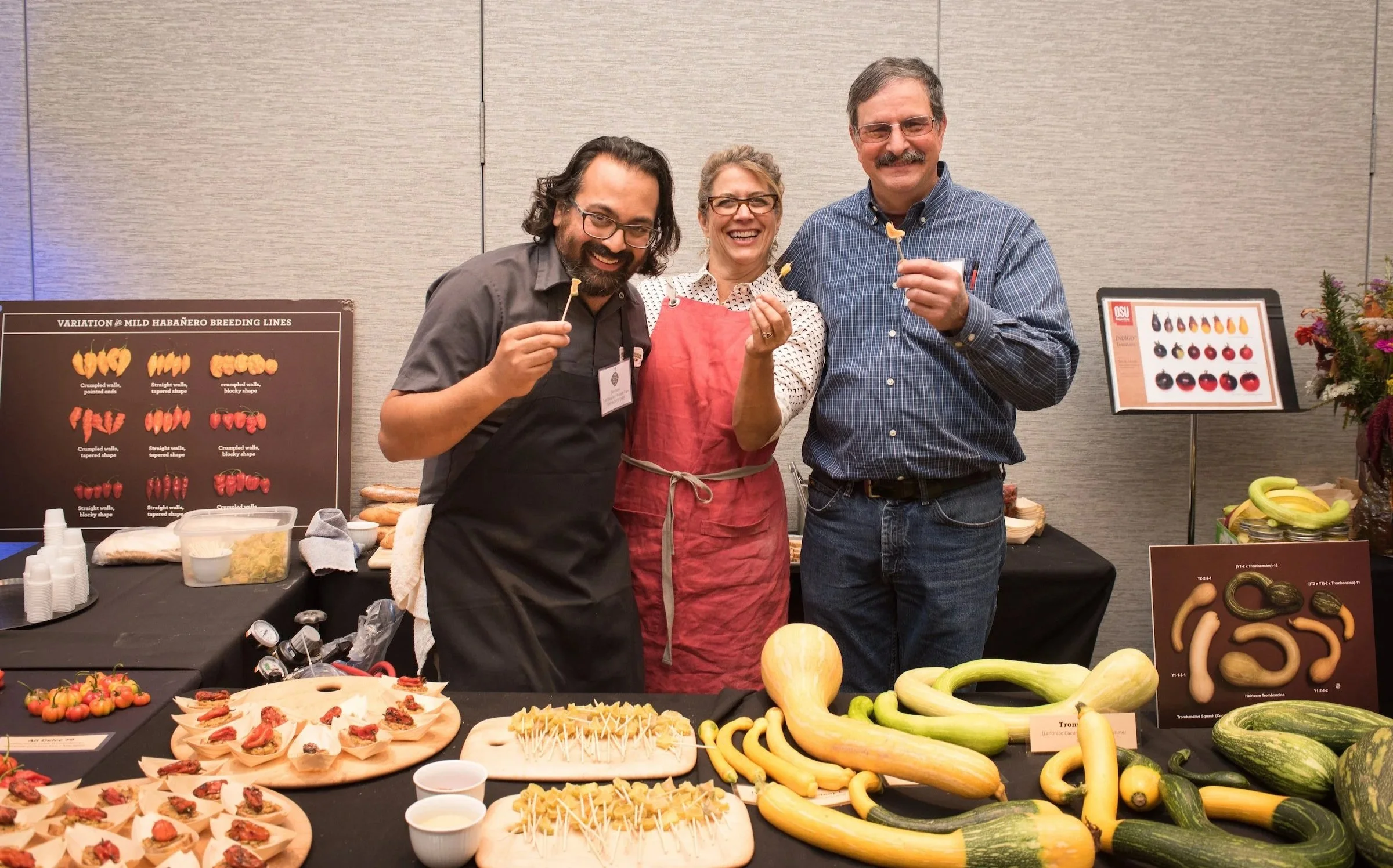
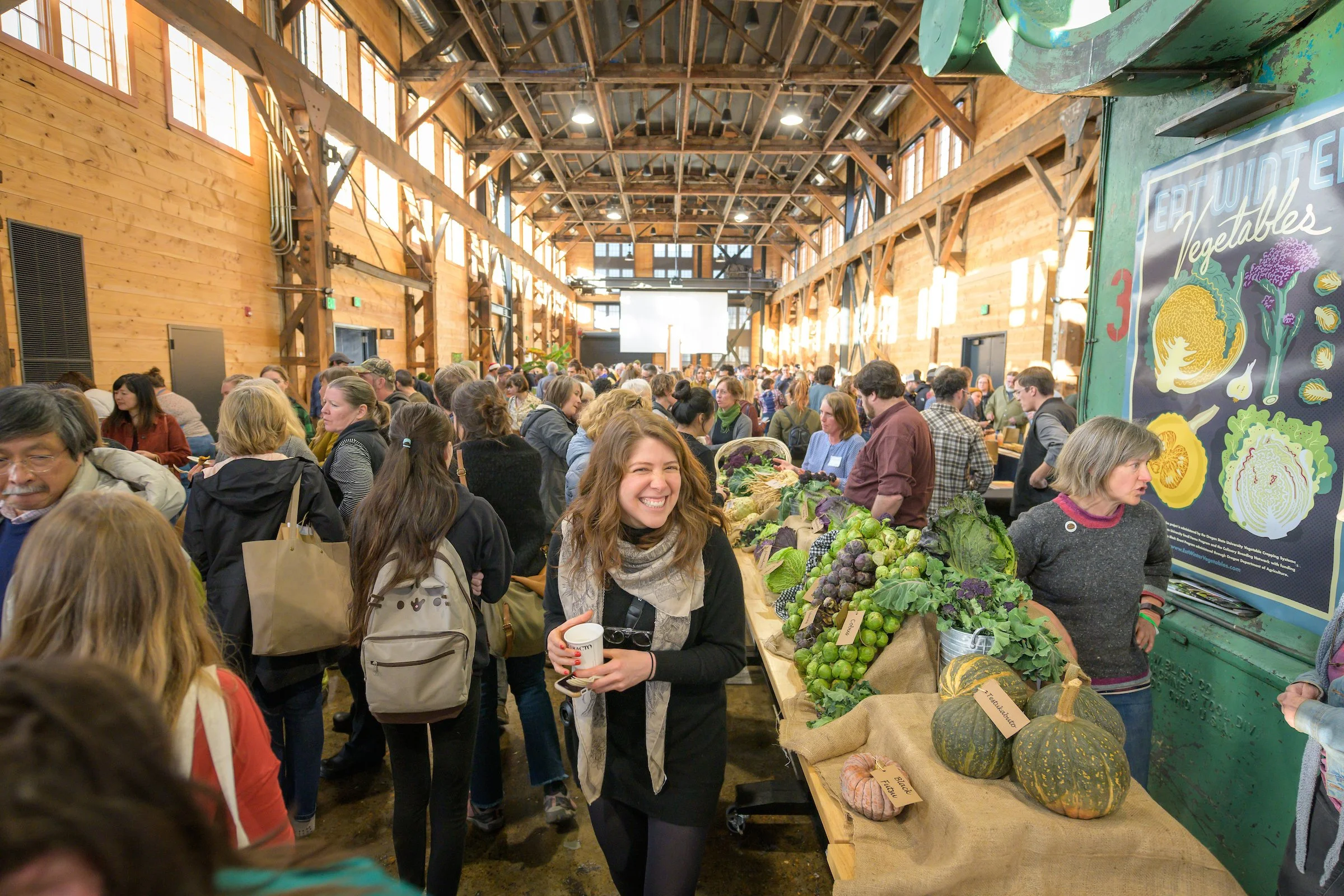
Over the past decade, the Variety Showcase has exploded in popularity. From an intimate gathering of 100 in its inaugural year, attendance rose to 800 by 2024. In total, over 5,000 people have joined these events held in Portland, New York City, Hudson Valley, Honolulu, Kona, and Madison, Wisconsin. The Showcase influence even sparked a similar event in northern Italy, called Giàz.
The Variety Showcase has garnered widespread recognition, featured in popular publications like The New York Times, Food & Wine, Saveur, The Wall Street Journal and more. It is also often recognized for its impact in academic and agricultural circles at professional society meetings & farming conferences.
Today, my goal for all CBN events is to shed light on the importance of organic seed and engage everyone in the plant breeding process. Each event is designed to foster community, spark collaboration, and address crucial issues like climate change, culinary quality, biodiversity, and seed sovereignty. These gatherings break down barriers between eaters & breeders, creating a space where joy, discovery, and connection flourish.
The impact has been profound. Farmers have changed their variety choices and gained invaluable insight into the seed world. Breeders have strengthened their connections with growers and consumers, making decisions based on direct feedback. The public has gained a deeper understanding of plant breeding’s role in shaping the food we eat. And through it all, the Culinary Breeding Network thrives on the support and generosity of its community, a testament to the power of collaboration and shared passion.